

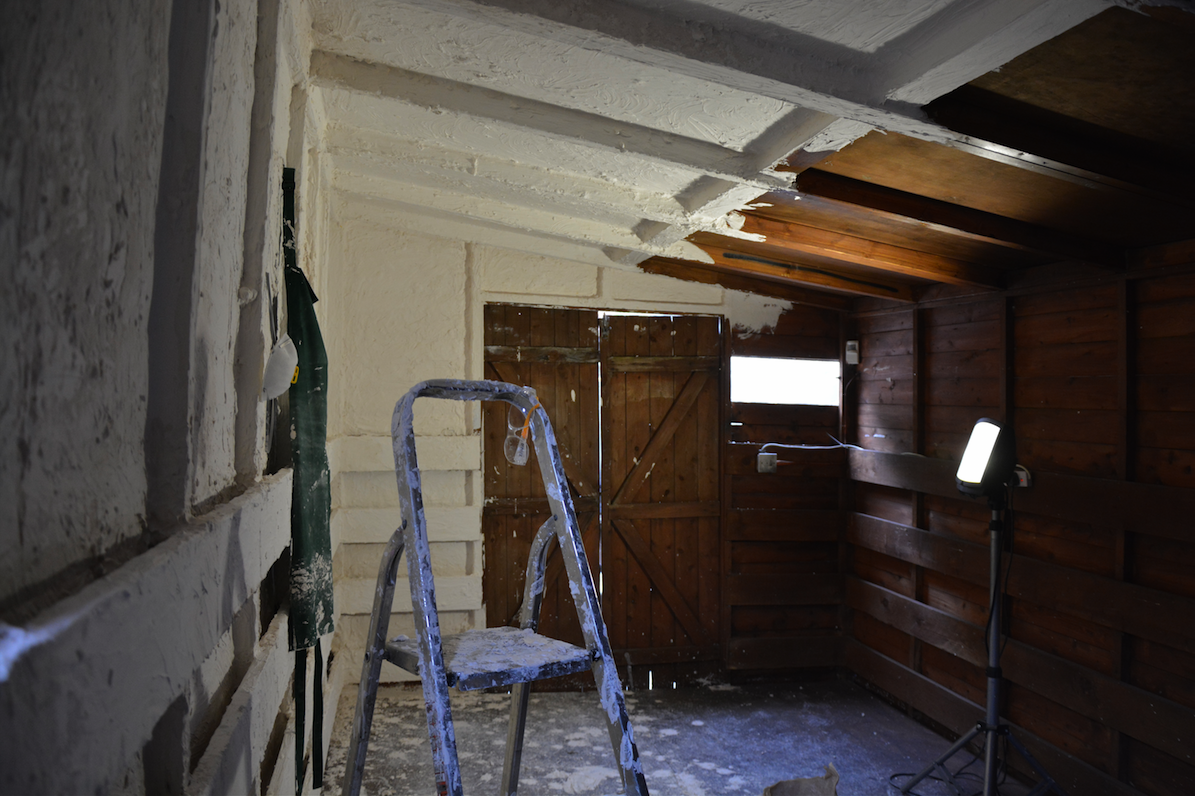
InComplete Absence
Vandana
2017
Sight Specific Installation
Wooden Shed, Plaster of Paris
©Vandana The Artist
Courtesy of the Artist
Description
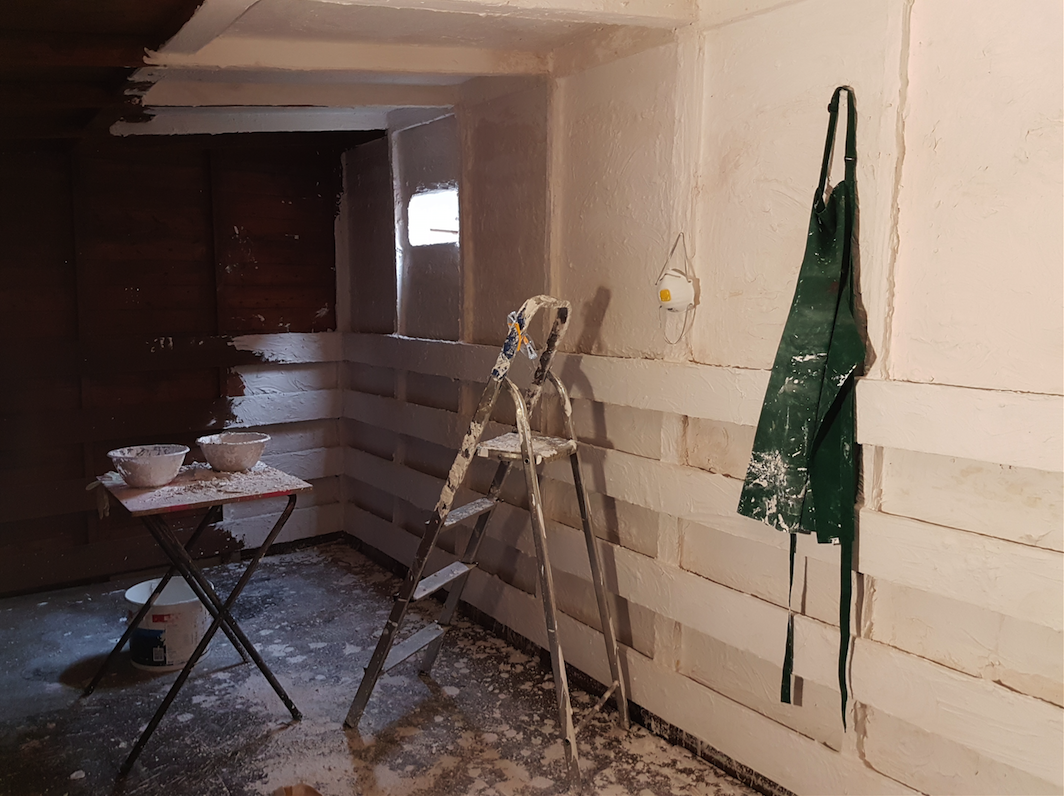
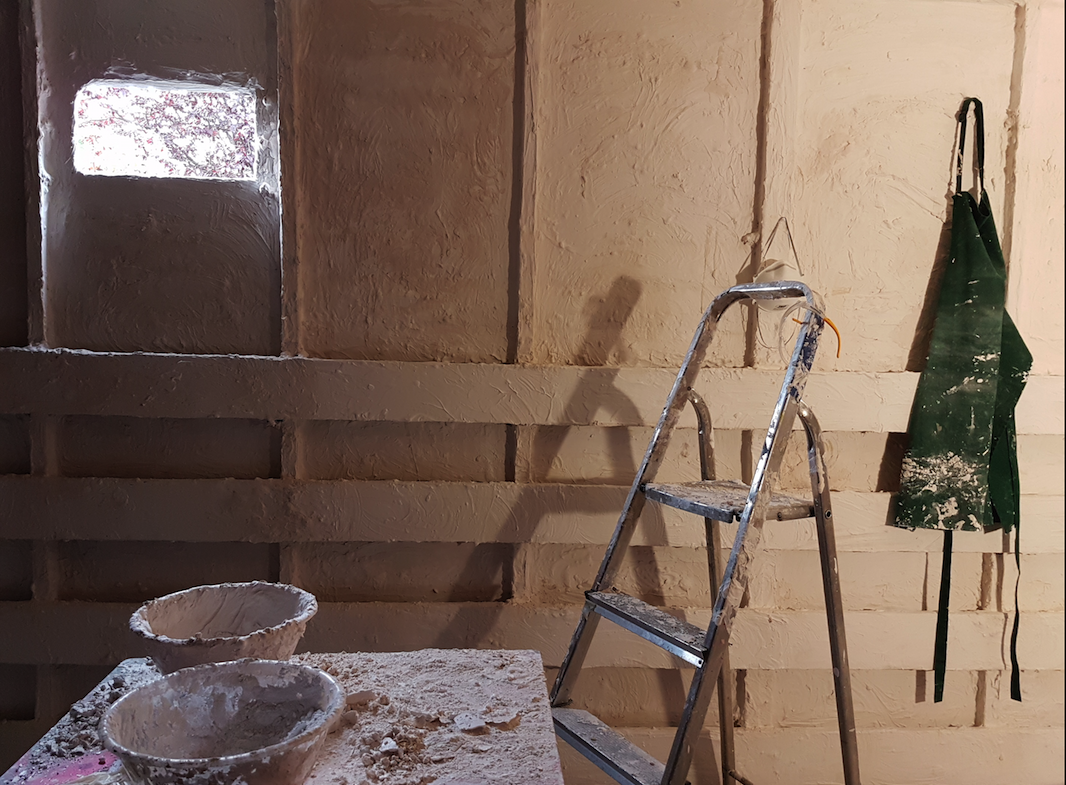
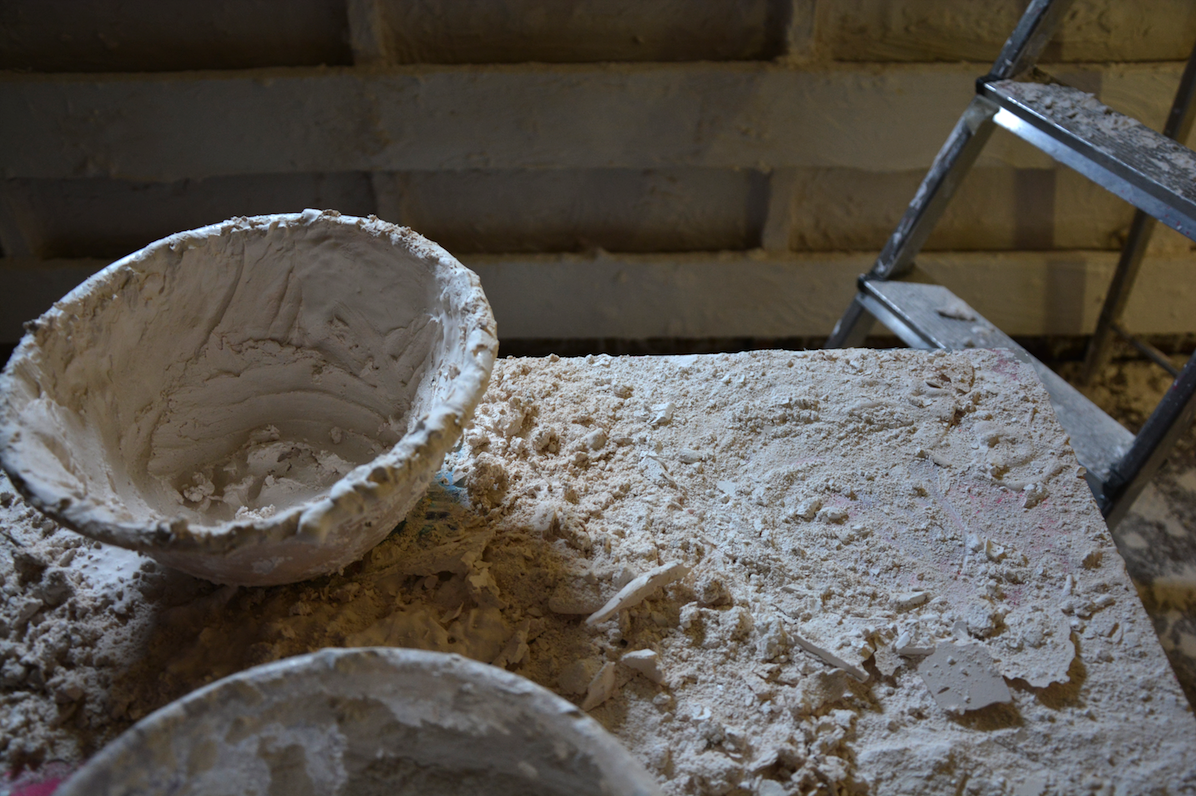
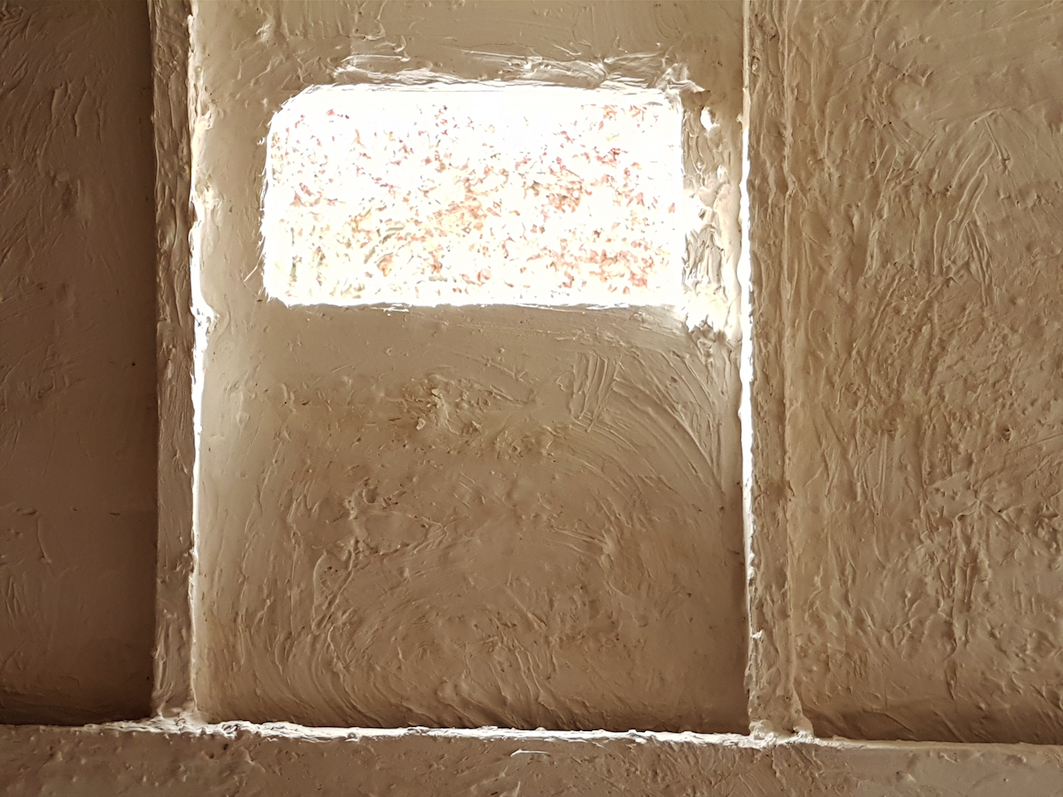
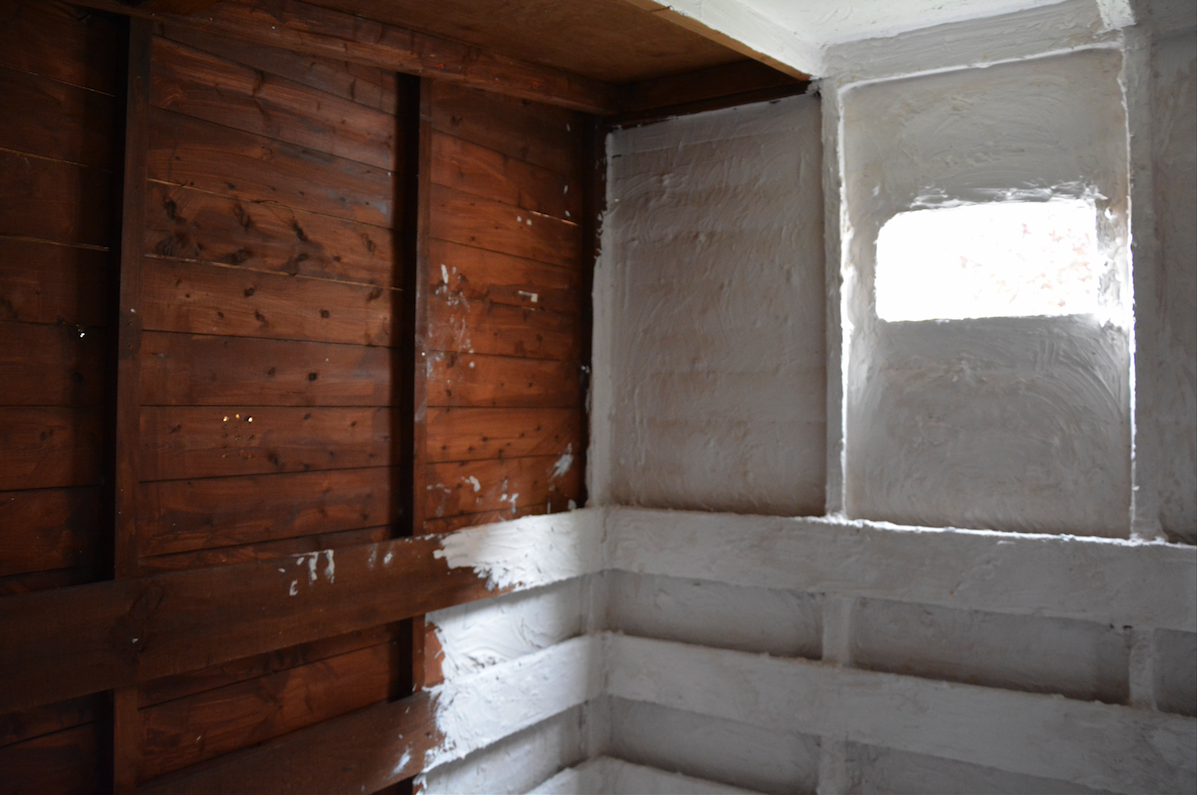
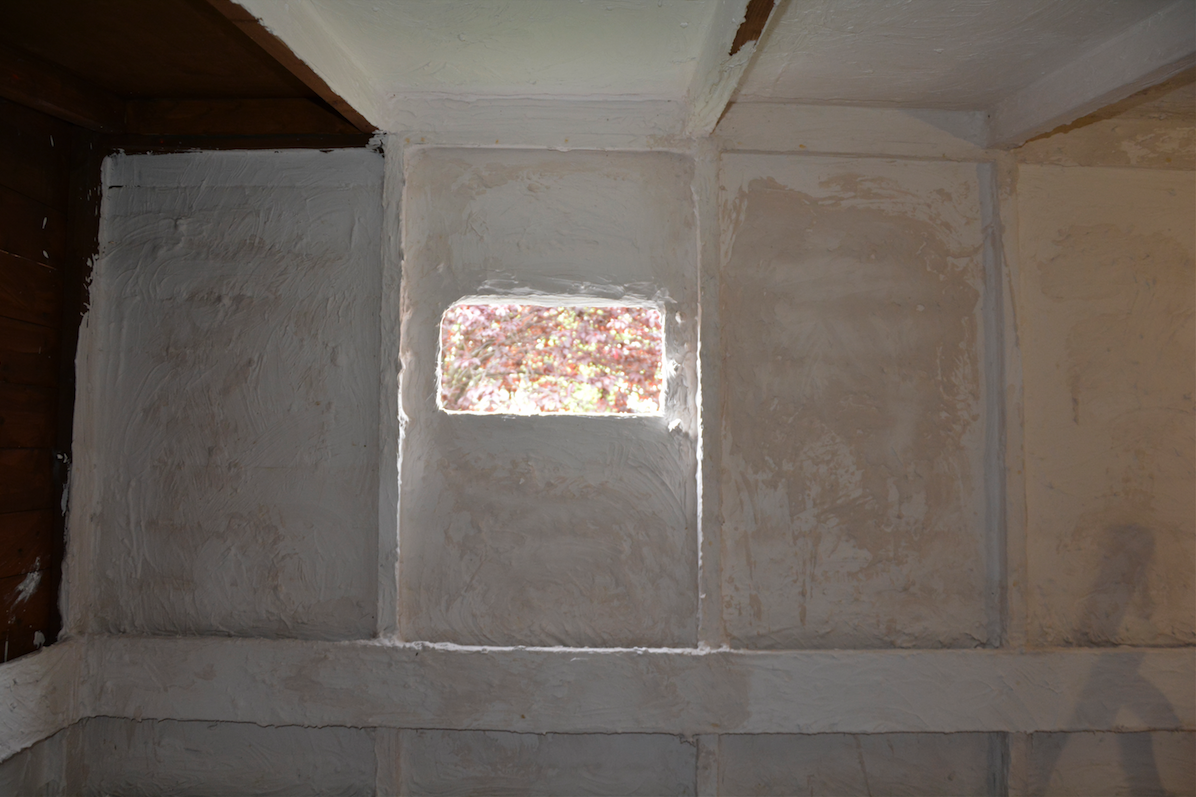
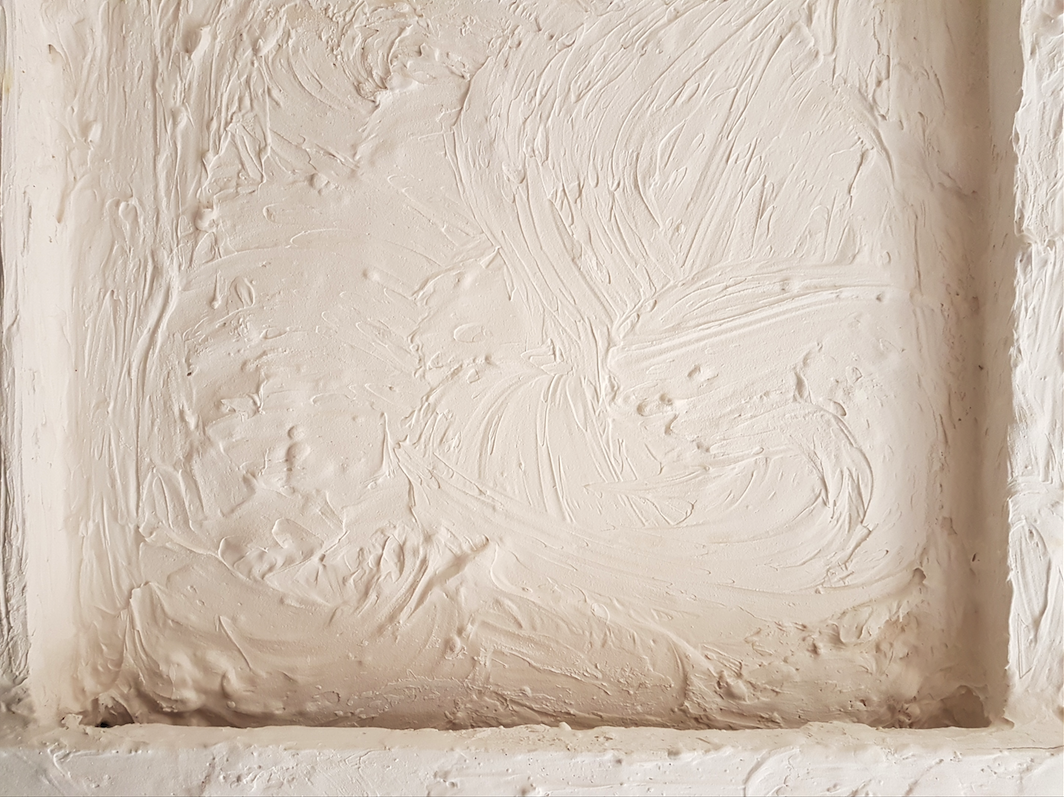
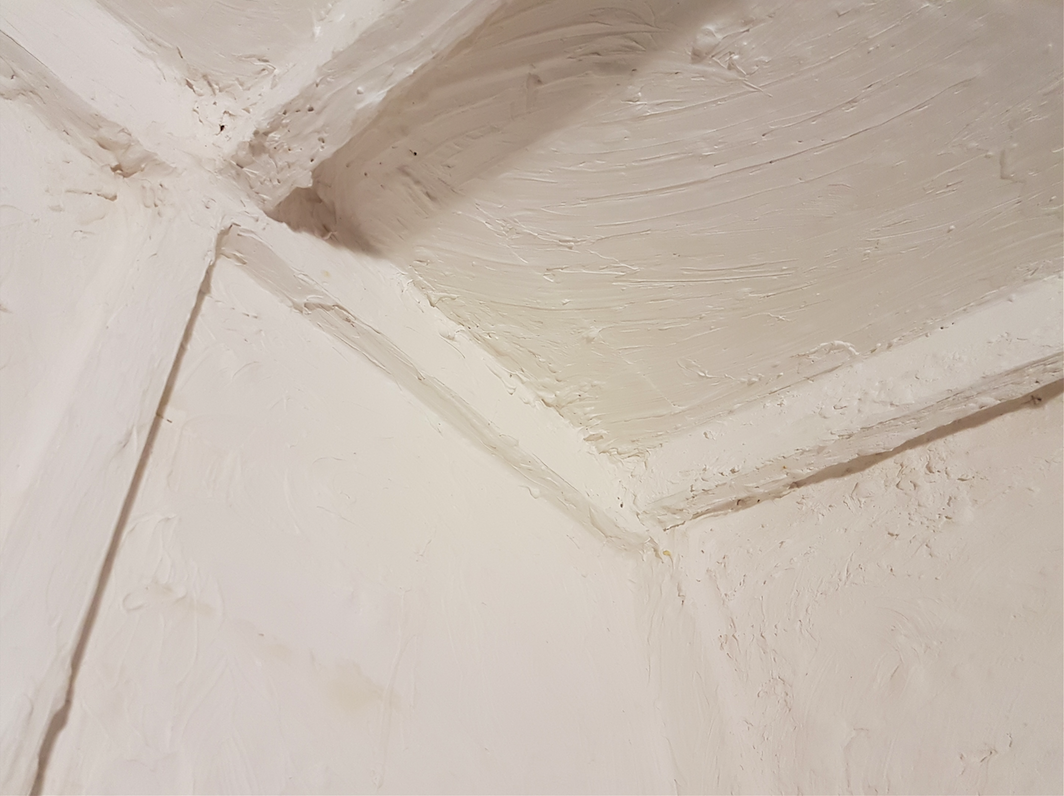
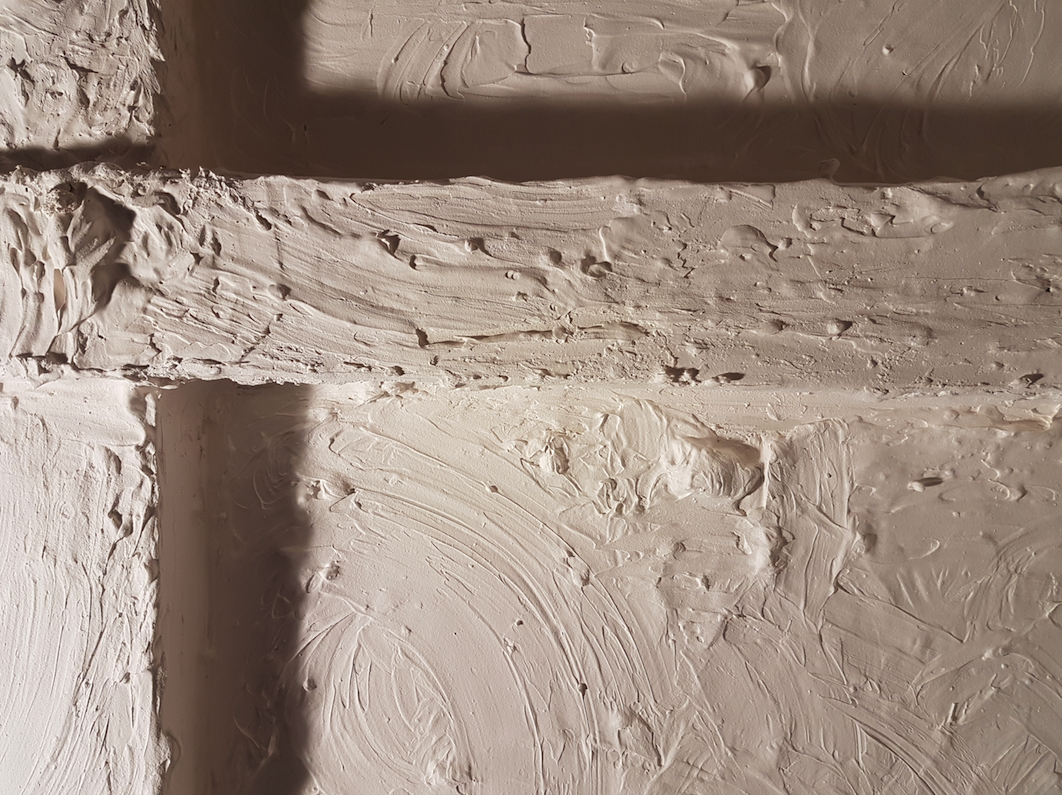
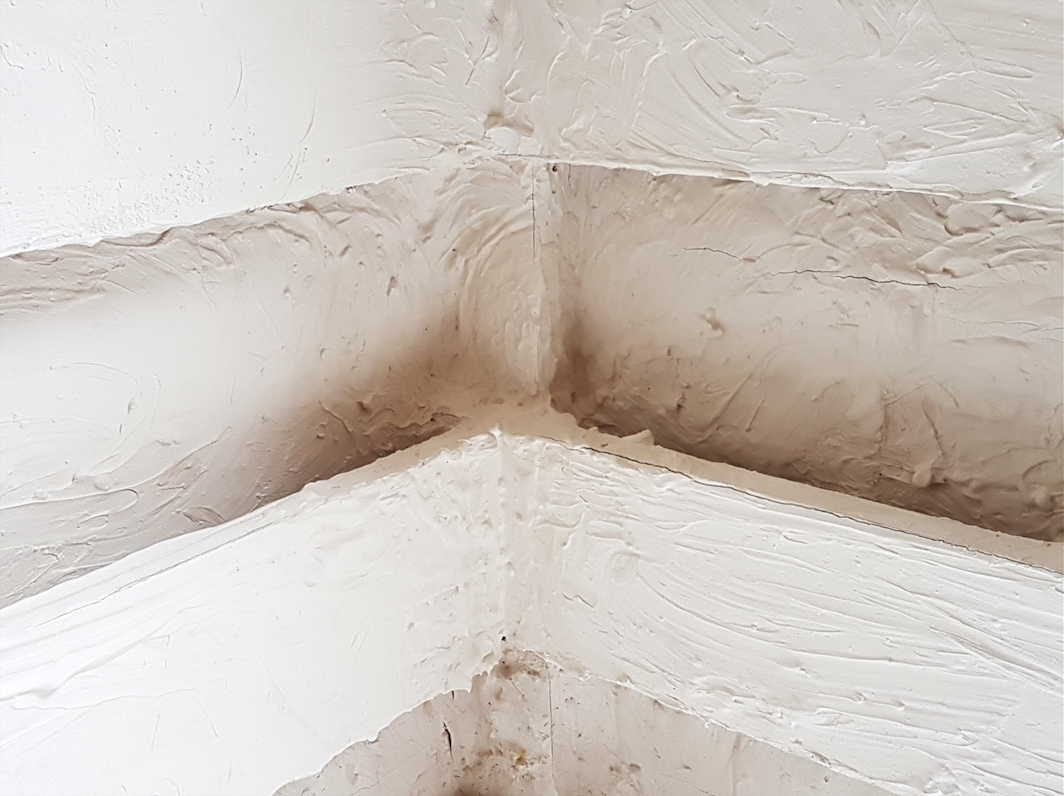
InComplete Absence began as a desire to convert a wooden shed into a white peaceful space — a space where one can sit with one’s own Self, where there is no thought, no interruption, no one else physically present to disturb. I chose plaster for its whiteness and its soil-like smell, and applied it to the walls by hand. So many times during the process I felt the urge to splash the plaster onto myself, as if to become part of the space, to camouflage with it.
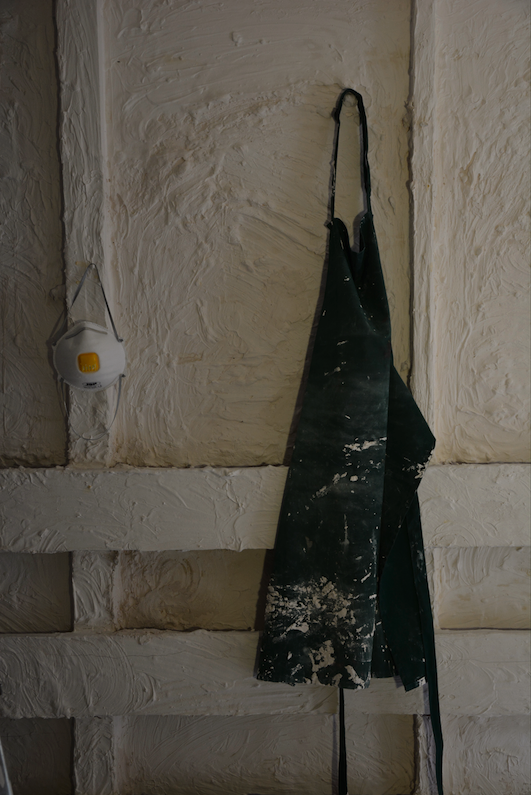
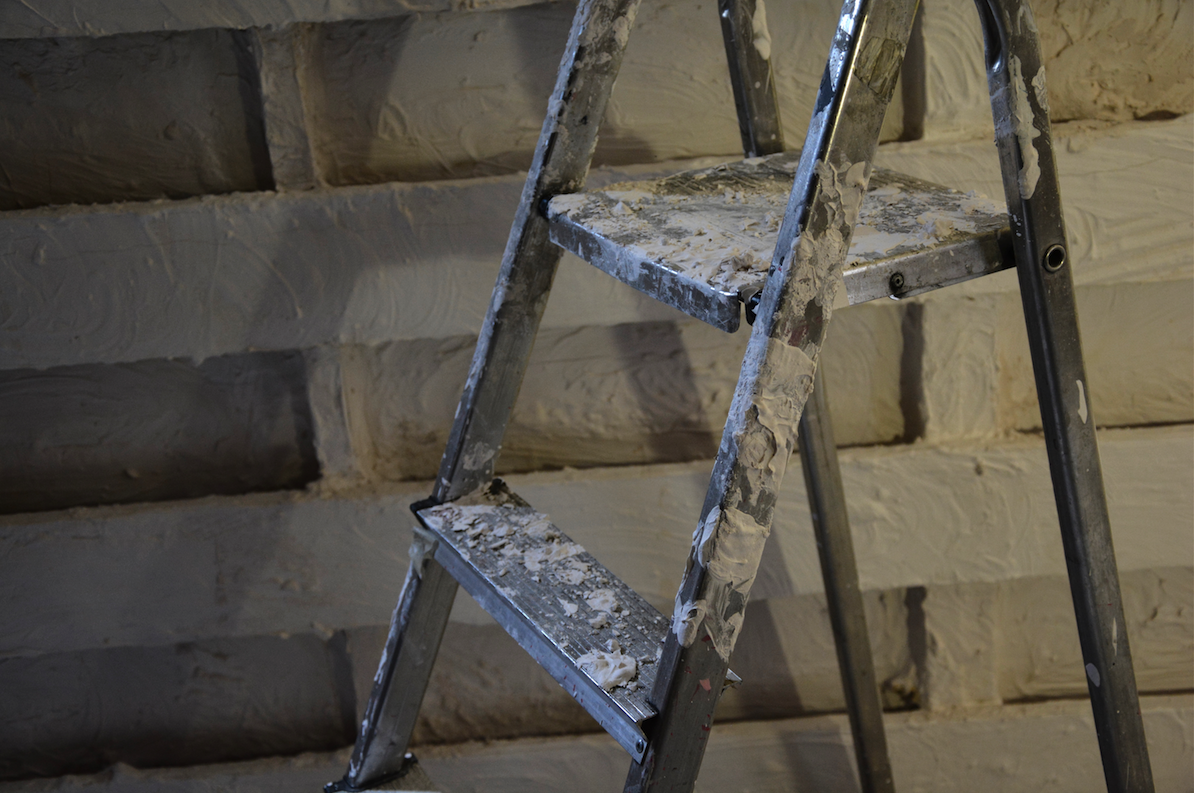
But what got projected was not peace. My real state of mind — the incompleteness inside — expressed itself coincidentally through the work. I could never complete the project the way the original idea demanded. The walls remain partially plastered, the strokes visible, the equipment still present as if something is still going on. The space I wanted to create as empty, white, void — a space of zeroness and thoughtlessness — turned out to be full of emotions, feelings, and mixed energies. The incompleteness is not a failure of execution. It is what the work became — the gap between what I intended and what my inner state actually produced. Art has the power to expose you, no matter how hard you try to hide.
I am interested in the space in a human mind — an individual identity consisting of subtle energies, expressed and unexpressed feelings and emotions — and how that virtual, intangible, mental space can be transmuted into art as art. I see it as the space between connection to the outside world and connection to one’s own Self, where so much remains untouched, uncertain, insecure, and disturbing. I explore that physically invisible zone of unknown and uncertain reality, using that tumult and disturbance as a tool in art and life. Is it possible to reach the state of constant relaxation and stillness without escaping from everyday life? Is it possible to live art or live life in art? To what extent is it different to live art and to live life for an artist like me?

